
The Simple Definition
A regular clean maintains. A deep clean resets.
That’s the whole distinction, and everything else follows from it. Routine cleaning assumes the property is broadly in order and keeps it there week to week. Deep cleaning assumes something has built up over months and goes after it directly.
The confusion happens because both involve the same rooms. The difference is depth, not coverage.
What Each One Actually Covers
A regular clean includes:
- Dusting accessible surfaces and furniture
- Sweeping and mopping floors
- Bathroom surfaces, sinks, mirrors and toilets
- Kitchen countertops, sink and appliance exteriors
- Tidying and trash removal
A deep clean adds:
- Kitchen degreasing: stovetop, splashback, range hood and grease trap area
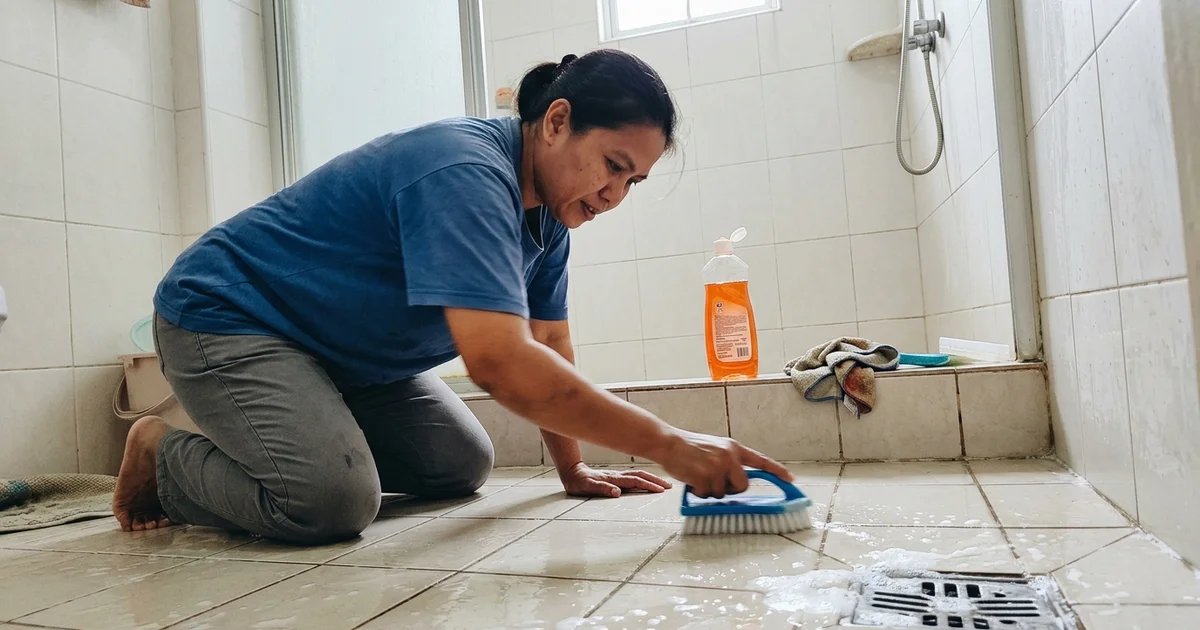
- Bathroom limescale on taps, glass and tiles, plus grout scrubbing
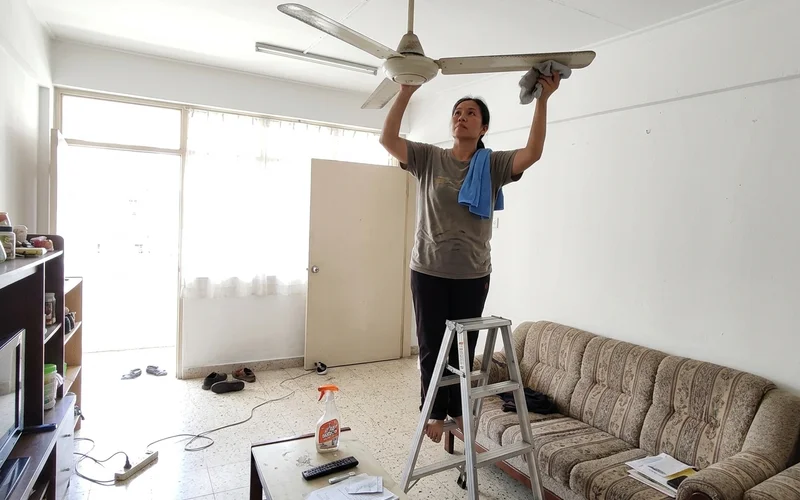
- Ceiling fan blades, light fittings, high shelves and cornices
- Sliding door and window track clearing
- Internal cabinet, wardrobe and drawer cleaning
- Skirtings, door frames, switches and handles
Dust vs Build-Up
Here’s a test that settles it in about ten seconds.
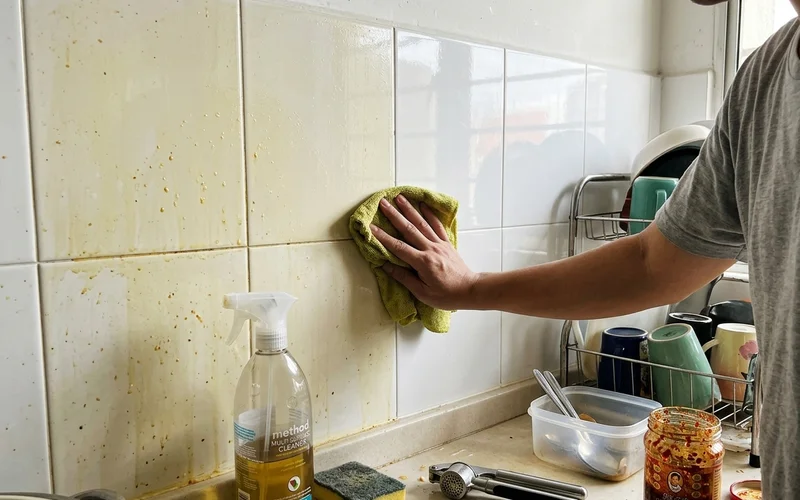
Walk into your kitchen and run a finger along the wall beside the stove. If what comes off is dry and grey, that’s dust, and a regular clean handles it. If it’s tacky, brown or leaves a smear, that’s grease build-up, and no amount of routine wiping will shift it.
Same in the bathroom. Dry dust on the shelf is routine. White crust on the tap and dark grout lines are build-up.
Build-up is chemistry, not effort. It needs the right product with enough dwell time, which is exactly what a deep clean budgets for and a four-hour routine slot does not.
How Long Each Takes
A routine clean for a single-storey Ipoh terrace fits comfortably in four hours. The same property needing a first deep clean usually takes a full day, or four to six hours with two cleaners working in parallel.
The extra time isn’t spread evenly. Kitchens and bathrooms eat most of it, because that’s where build-up concentrates. Bedrooms and living areas often add less than an hour beyond what a routine clean would take.
Why time matters to the result
Degreasers and descalers work by sitting on the surface, not by being scrubbed harder. Rushing a deep clean into a short slot means products get wiped off before they’ve done anything — which looks like the clean failed, when really it was never given the hours.
Who Benefits Most
Households that have never deep cleaned, homes that changed hands recently, properties coming off a long rental, offices where the pantry and washrooms have drifted, and anyone hosting before a festive season.
The most common pattern we see in Ipoh: one deep clean to reset, then a shorter recurring slot to hold the standard. If you’re not sure whether you’re at that point yet, our guide on when you need a deep clean rather than a routine one walks through the signals.
How Long the Result Lasts
A fair question before spending on a deep clean: how long before it all comes back?
In an Ipoh home with normal use and routine cleaning in between, the kitchen usually holds for six to nine months before grease starts building again around the hood and splashback. Bathrooms depend heavily on water hardness — scale on taps and shower glass typically reappears within four to six months, though regular wiping slows it considerably.
Grout is the slowest to return once it has been properly scrubbed, often a year or more, as long as floors are mopped regularly and spills are wiped rather than left.
Tracks, fan blades and cabinet interiors are effectively annual items. They collect dust steadily and nothing in a routine clean touches them.
That pattern is why most households settle on a deep clean once or twice a year with routine slots in between, rather than either extreme. Deep cleaning every quarter is usually overkill; leaving it three years means paying for a much harder job.
The one thing that changes this most
Cooking style. Homes that fry daily build kitchen grease at several times the rate of homes that mostly steam and boil. Adjust your expectations, and your interval, accordingly.